Teaching Kids to Stand Up to Bullies — Without Hitting Back
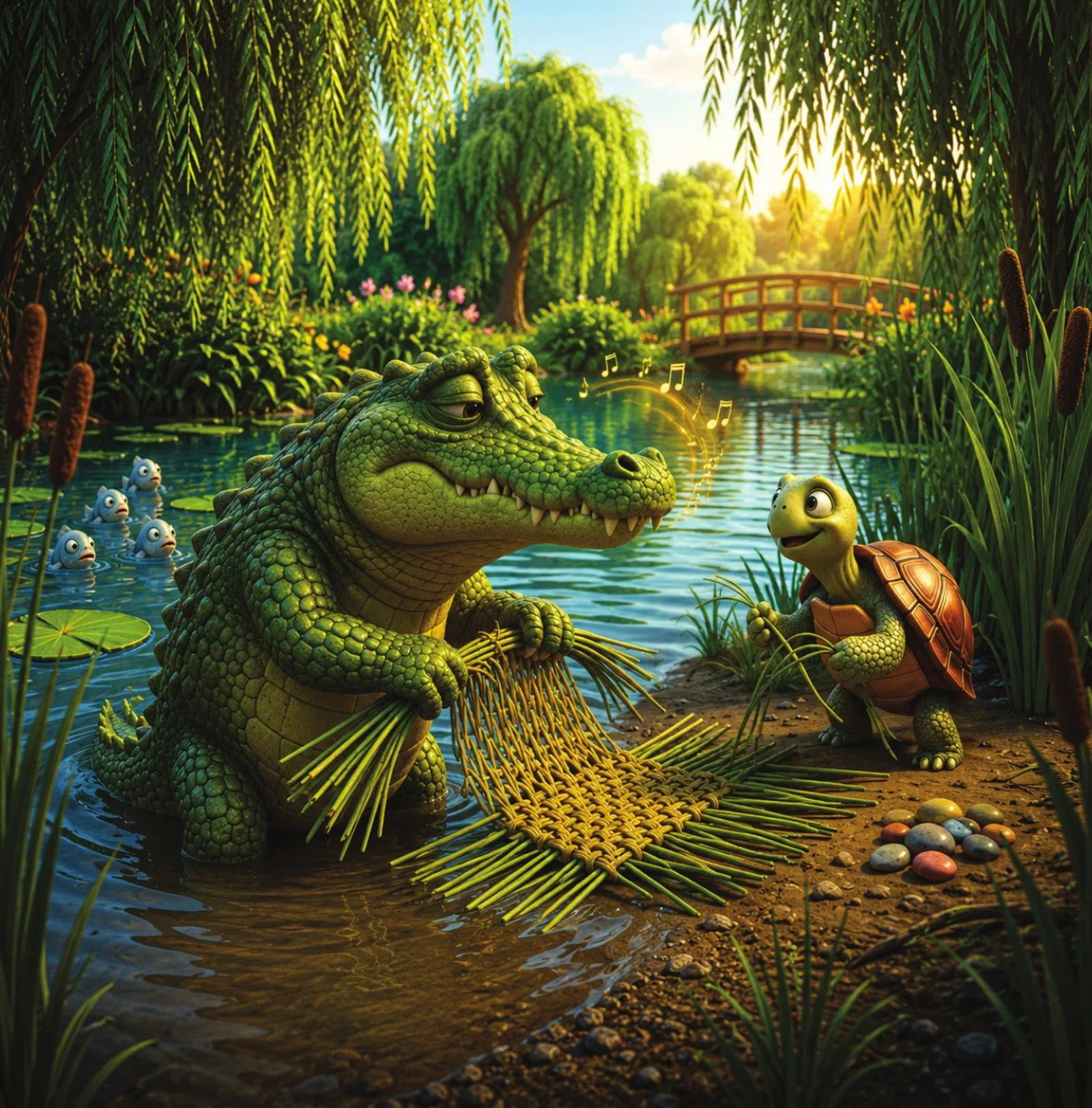
Every parent has heard it: “Just hit them back.” It sounds simple, but it teaches children that the biggest, loudest, or angriest person wins. In The Grumble-Gator’s Greatest Raft, Toby the turtle is bullied by Barnaby, a grumpy gator — and chooses a different path. Here are five ways to help your child do the same.
1. Name the feeling first
Before problem-solving, help your child put words to what happened: “That felt scary,” or “You were embarrassed.” Kids who can name big feelings are far less likely to lash out or shut down.
2. Teach the strong, calm “stop”
Standing tall, making eye contact, and saying “Stop — I don’t like that” is powerful. It isn’t passive; it’s confident. Practice it at home so it’s ready when they need it.
3. Look for the hurt behind the grump
In the story, Barnaby isn’t evil — he’s lonely. That doesn’t excuse meanness, but it helps children respond with curiosity instead of fear. “I wonder why they act that way” is the beginning of empathy.
4. Offer a bridge, not a battle
Toby invites Barnaby to build something together. Not every bully becomes a friend, but a small, unexpected kindness often takes the wind out of meanness. Give your child one friendly move to try.
5. Always tell a grown-up
Kindness is brave, but it isn’t a substitute for safety. Make sure your child knows that telling a trusted adult is strong, never “tattling” — especially if the bullying keeps happening.
What to say when someone tells your child to hit back
Sooner or later, a grandparent, coach, or older cousin will say it: “If he pushes you, push him back.” They mean well. They want your child to feel strong. So agree with the goal and change the tool. You can say, “We want her to be strong too. In our family, strong means standing tall, saying stop, and getting help.” Kids listen closely to how the grown-ups around them talk, so being on the same page matters.
Practice it at home first
Children learn by acting things out. So play pretend. You be the grumpy gator, and let your child be Toby. Try the calm “stop,” walking away, and going to find a grown-up. Then switch roles. Keep it light and silly. The more times they practice when they feel safe, the easier it will be to remember when they feel scared.
What if my child is the one being unkind?
This one is hard to hear, but it happens to good families. Stay calm and get curious. Ask what happened right before, and how they were feeling. Many kids who act tough are hurting or feel small inside, just like Barnaby. Help them name that feeling, make it right with a real apology, and look for one kind thing they can do next. I wrote more about this in why I wrote a book where the bully becomes the hero.
A story makes it easier to talk
It is much easier for a child to talk about a turtle and a gator than about themselves. That is why a picture book is such a good starting point. Read The Grumble-Gator’s Greatest Raft together, then use the questions in our free Family Reading Guide. For more help with the bigger conversation, see talking to little kids about bullying.
The takeaway
As Toby learns, “A fist can break a branch, but a kind word can plant a forest.” Choosing kindness isn’t weakness — it’s the harder, braver, and more lasting kind of strength.